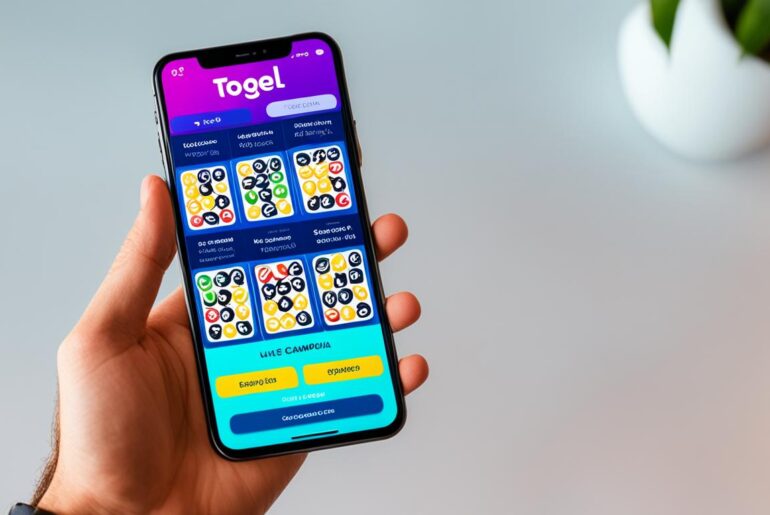
Dalam artikel ini, kami akan membahas tentang daftar olxtoto togel Cambodia live terpercaya dari gaming terbaik. Situs-situs judi resmi ini menawarkan pengalaman bermain togel online yang aman dan menguntungkan, dengan peluang memenangkan jackpot besar. Temukan informasi lengkapnya di sini.
Jika Anda tertarik untuk bermain togel Cambodia secara live, maka Anda perlu mencari situs judi terpercaya yang menawarkan pengalaman bermain yang aman dan adil. Dalam artikel ini, kami akan membahas beberapa platform gaming terbaik yang menyediakan layanan togel Cambodia live terpercaya.
Tidak hanya menawarkan pengalaman bermain yang aman dan menguntungkan, situs-situs togel resmi ini juga menyediakan beragam fitur menarik untuk para pemainnya. Dengan daftar togel terpercaya dari gaming terbaik, Anda dapat menikmati permainan togel Cambodia dengan nyaman dan aman.
Dalam artikel ini, kami juga akan menjelaskan mengapa memilih situs togel online terpercaya sangat penting. Kami akan membahas kriteria yang perlu Anda perhatikan saat mencari daftar togel terpercaya, seperti lisensi, reputasi, dan keamanan. Dengan memilih situs yang tepat, Anda dapat memastikan pengalaman bermain yang baik dan memaksimalkan peluang Anda untuk memenangkan jackpot.
Togel Cambodia: Permainan Lotere yang Menarik
Perdana lotre Cambodia atau togel Cambodia menjadi permainan yang populer di dunia judi online. Dalam bagian ini, kami akan menjelaskan mengapa togel Cambodia menarik bagi para pemain dan bagaimana cara memainkannya untuk kesempatan menang yang lebih besar.
Togel Cambodia merupakan varian permainan lotere yang berasal dari negara Kepulauan Asia Tenggara. Permainan ini menawarkan peluang menarik bagi para pemain yang ingin mencari keberuntungan dengan menebak kombinasi angka yang keluar pada setiap putaran.
Salah satu alasan mengapa togel Cambodia begitu menarik adalah karena kemudahan dalam bermainnya. Pemain dapat memilih angka-angka favorit mereka dan memasang taruhan dengan mudah melalui situs togel online terpercaya. Selain itu, tingkat keseruan permainan ini juga tinggi karena hasil keluaran angka yang acak dan tidak dapat diprediksi.
Keuntungan lain dari memainkan togel Cambodia adalah hadiah jackpot yang besar. Permainan ini menawarkan kesempatan untuk memenangkan hadiah uang tunai yang sangat menggiurkan. Dengan menebak angka yang benar, Anda bisa membawa pulang jackpot yang dapat mengubah hidup Anda.
Ada berbagai strategi yang dapat digunakan untuk meningkatkan peluang menang dalam togel Cambodia. Beberapa pemain menggunakan metode analisis statistik untuk menganalisis pola keluaran angka sebelumnya, sementara yang lain mempercayai keberuntungan murni. Penting untuk mencatat bahwa togel Cambodia adalah permainan peluang, dan tidak ada strategi yang dapat menjamin kemenangan. Namun, dengan pemilihan angka yang bijaksana dan bermain secara konsisten, Anda memiliki kesempatan yang lebih baik untuk meraih hadiah.
Jika Anda tertarik untuk mencoba peruntungan dalam togel Cambodia, pastikan Anda memilih situs togel online terpercaya. Situs tersebut harus memiliki lisensi resmi, reputasi yang baik, dan menyediakan keamanan yang tinggi bagi para pemainnya. Dengan demikian, Anda dapat memainkan togel Cambodia dengan nyaman dan tanpa khawatir.
Dalam bagian selanjutnya, kami akan membahas tentang daftar togel terpercaya dan bagaimana memilih platform togel online yang berkualitas. Jadi, tetaplah bersama kami!
Daftar Togel Terpercaya: Mengapa Penting Memilih Situs yang Tepat
Jika Anda ingin bermain togel online dengan aman dan adil, penting untuk memilih daftar togel terpercaya dari situs yang tepat. Dalam artikel ini, kami akan memberikan panduan tentang kriteria yang perlu Anda perhatikan saat mencari situs togel terpercaya.
Kriteria Pertama: Lisensi
Sebelum Anda mendaftar pada suatu situs togel, pastikan situs tersebut memiliki lisensi resmi. Lisensi menjamin bahwa situs tersebut diatur oleh otoritas yang berwenang dan beroperasi secara legal. Anda dapat menemukan informasi lisensi pada halaman utama situs atau bagian informasi perusahaan.
Kriteria Kedua: Reputasi
Penting untuk memeriksa reputasi situs togel sebelum Anda mendaftar. Cari tahu apakah situs tersebut memiliki ulasan positif dari pemain lain. Anda juga dapat mencari informasi dari forum atau grup diskusi yang membahas situs togel. Jika situs memiliki reputasi baik, itu menandakan bahwa situs tersebut dapat dipercaya.
Kriteria Ketiga: Keamanan
Keamanan merupakan aspek penting dalam memilih situs togel terpercaya. Pastikan situs memiliki fitur keamanan yang baik, seperti protokol enkripsi yang kuat untuk melindungi data pribadi Anda. Situs yang baik juga akan memiliki kebijakan privasi yang jelas dan transparan.
Pilihlah dengan Bijak
Saat memilih daftar togel terpercaya, pastikan untuk memilih situs yang memenuhi semua kriteria di atas. Jangan terburu-buru dalam memilih situs dan lakukan riset lebih lanjut sebelum Anda mendaftar. Dengan memilih situs yang tepat, Anda dapat memastikan pengalaman bermain togel online yang aman dan mendapatkan kesempatan menang yang lebih baik.
Gaming Terbaik: Platform Togel Online yang Berkualitas
Di dunia yang semakin digital ini, togel online telah menjadi salah satu permainan judi yang populer. Namun, tidak semua platform togel online memiliki kualitas terbaik. Di bagian ini, kami akan mengulas beberapa platform gaming terbaik yang menawarkan pengalaman bermain togel online yang memuaskan dan aman.
Salah satu platform gaming terbaik yang layak Anda pertimbangkan adalah TogelMaster88. Dengan reputasi yang solid, TogelMaster88 menawarkan berbagai jenis permainan togel online dengan peluang menang yang tinggi. Dengan antarmuka yang ramah pengguna dan transaksi yang aman, TogelMaster88 telah menjadi pilihan banyak pemain togel online.
Selain itu, LotteryGaming juga merupakan platform gaming terbaik yang dapat dipertimbangkan. Dengan layanan pelanggan yang responsif dan pembayaran yang cepat dan aman, LotteryGaming memberikan kepuasan maksimal bagi para pemain togel online. Selain permainan togel Cambodia, LotteryGaming juga menyediakan variasi permainan lotere lainnya yang menarik untuk Anda coba.
Yang tidak kalah pentingnya adalah TogelWorld. Platform ini menawarkan pengalaman bermain togel online yang adil dan menyenangkan. Dengan sistem permainan yang terpercaya dan peluang menang yang lebih tinggi, TogelWorld menjadi pilihan ideal bagi pemain yang mencari kualitas dan keamanan.
Jadi, jika Anda mencari pengalaman gaming terbaik dalam bermain togel online, TogelMaster88, LotteryGaming, dan TogelWorld adalah beberapa platform yang patut Anda pertimbangkan. Dengan fitur-fitur dan fasilitas yang lengkap, Anda dapat memaksimalkan peluang Anda untuk mendapatkan kemenangan besar dalam permainan togel online.
Situs Togel Online: Menyediakan Beragam Pilihan Permainan
Situs togel online terbaik tidak hanya menawarkan permainan togel Cambodia, tetapi juga menyediakan beragam pilihan permainan lotere lainnya. Sebagai pemain, memiliki akses ke beragam permainan memberikan pengalaman bermain yang lebih menarik dan memperluas peluang untuk meraih kemenangan.
Seperti yang telah diketahui, togel Cambodia menjadi salah satu jenis permainan lotere yang populer. Namun, di situs togel online terbaik, Anda juga dapat menemukan permainan togel dari negara lain seperti Singapore, Hong Kong, Sydney, dan berbagai permainan lotere internasional lainnya. Setiap jenis permainan memiliki aturan dan peluang kemenangan yang berbeda, memberikan variasi dan tantangan baru bagi para pemain.
Keberagaman permainan ini memungkinkan Anda untuk menjelajahi strategi dan metode bermain yang berbeda-beda. Anda dapat mencoba permainan dengan peluang kemenangan yang lebih tinggi atau menguji keberuntungan Anda dengan permainan yang memiliki jackpot besar. Dengan pilihan permainan yang beragam, Anda memiliki kebebasan untuk memilih permainan yang sesuai dengan preferensi dan tujuan Anda.
Terlebih lagi, situs togel online terbaik juga menyediakan fitur-fitur tambahan yang dapat meningkatkan pengalaman bermain Anda. Beberapa situs menyediakan live draw, di mana Anda dapat menyaksikan secara langsung pengundian nomor togel. Fitur ini memberikan transparansi dan keadilan dalam permainan, serta meningkatkan tingkat kepercayaan pemain terhadap situs tersebut.
Keuntungan Memilih Situs Togel Online yang Menyediakan Beragam Pilihan Permainan:
- Membuka peluang untuk mencoba permainan dengan aturan dan peluang kemenangan yang berbeda.
- Menyediakan variasi dan tantangan baru dalam bermain togel online.
- Memperluas pengalaman bermain dengan menjelajahi strategi dan metode bermain yang berbeda.
- Memilih permainan dengan jackpot besar untuk kesempatan memenangkan hadiah besar.
- Meningkatkan kepercayaan pemain dengan adanya fitur live draw yang transparan.
Jadi, ketika memilih situs togel online, pastikan untuk memilih yang menyediakan beragam pilihan permainan. Dengan begitu, Anda akan mendapatkan pengalaman bermain yang lebih seru dan peluang kemenangan yang lebih besar. Jangan ragu untuk menjelajahi situs-situs togel online terbaik yang memiliki reputasi baik dan menawarkan beragam pilihan permainan lotere.
Bandar Togel Terbaik: Menjamin Keamanan dan Kemudahan
Jika Anda ingin bermain togel online dengan aman dan nyaman, memilih bandar togel terbaik sangatlah penting. Dalam bagian ini, kami akan membahas kriteria yang perlu Anda perhatikan saat mencari bandar togel terbaik yang menjamin keamanan dan kemudahan bermain.
1. Keamanan: Pilihlah bandar togel terpercaya yang memiliki sistem keamanan yang kuat dan melindungi data serta transaksi Anda. Pastikan bandar tersebut menggunakan teknologi enkripsi untuk menjaga kerahasiaan informasi pribadi Anda.
2. Kredibilitas: Lihatlah reputasi bandar togel terbaik dalam industri perjudian online. Baca ulasan dan feedback dari para pemain untuk mendapatkan informasi tentang pengalaman mereka dengan bandar tersebut. Pilihlah bandar yang memiliki reputasi yang baik dan terpercaya.
3. Kemudahan Transaksi: Pastikan bandar togel terbaik menyediakan berbagai metode pembayaran yang memudahkan Anda melakukan deposit dan penarikan. Selain itu, periksa juga kecepatan proses transaksi agar Anda dapat segera bermain dan menikmati permainan togel.
4. Layanan Pelanggan: Bandar togel terbaik akan menyediakan layanan pelanggan yang responsif dan profesional. Mereka akan siap membantu Anda dalam mengatasi masalah atau pertanyaan yang timbul selama bermain togel online.
Ingatlah selalu bahwa memilih bandar togel terbaik adalah kunci untuk mendapatkan pengalaman bermain yang aman, nyaman, dan menguntungkan. Jangan ragu untuk melakukan riset dan membandingkan beberapa bandar sebelum membuat keputusan. Dengan begitu, Anda dapat menikmati permainan togel online dengan tenang dan yakin.
Pasang Togel Online: Selangkah Lebih Dekat Menuju Jackpot
Bagian ini akan memberikan panduan lengkap tentang cara pasang togel online, membantu Anda mendekati potensi jackpot. Untuk memulai, langkah pertama yang perlu Anda lakukan adalah mendaftar di situs togel terpercaya. Pilihlah situs dengan reputasi baik dan lisensi resmi untuk memastikan keamanan dan keadilan dalam bermain.
Setelah mendaftar, Anda dapat memilih variasi permainan togel yang ingin dimainkan. Situs togel online terbaik menyediakan berbagai pilihan lotere seperti Cambodia, Sydney, Hongkong, dan lainnya. Ini memberi Anda kesempatan untuk mencoba permainan yang berbeda dan menyesuaikannya dengan preferensi Anda.
Setelah Anda memilih permainan, langkah selanjutnya adalah memilih angka yang ingin Anda pasang. Beberapa pemain menggunakan metode analisis statistik, sedangkan yang lain percaya pada angka keberuntungan mereka. Cobalah berbagai strategi dan temukan apa yang bekerja terbaik untuk Anda.
Selanjutnya, Anda perlu memasang taruhan sesuai dengan angka yang Anda pilih. Pastikan untuk memahami aturan taruhan dan pembayaran yang berlaku. Beberapa situs togel online menyediakan informasi yang jelas tentang hal ini, sehingga Anda dapat memahaminya dengan mudah.
Berikutnya, pastikan untuk mengatur batas taruhan sesuai dengan anggaran dan toleransi risiko Anda. Judi togel online dapat menjadi hiburan yang menyenangkan, namun penting untuk tetap bermain dengan bijak dan bertanggung jawab.
Terakhir, jangan lupa untuk memantau hasil undian dan mengecek apakah angka yang Anda pilih cocok dengan hasilnya. Situs togel terpercaya biasanya memberikan notifikasi tentang hasil undian dan pembayaran langsung ke akun Anda.
Ingatlah bahwa pasang togel online adalah permainan yang mengandalkan keberuntungan, dan tidak ada strategi yang dapat menjamin kemenangan. Namun, dengan pemilihan situs yang tepat, analisis yang cermat, dan manajemen keuangan yang baik, Anda dapat meningkatkan peluang Anda dalam memenangkan jackpot besar.
Tips dan Trik untuk Meningkatkan Peluang Memenangkan Jackpot Togel:
- Gunakan kombinasi angka yang beragam
- Lakukan riset dan analisis sebelum memilih angka
- Tetapkan batas taruhan yang sesuai dengan anggaran Anda
- Ikuti berita dan informasi terkini tentang togel
- Bermain dengan bijak dan bertanggung jawab
Dengan mengikuti panduan ini dan menerapkan tips dan trik yang diberikan, Anda dapat menjadi lebih dekat dengan keberuntungan dalam pasang togel online. Jadilah pemain yang cerdas dan jangan ragu untuk mencoba strategi dan pendekatan yang berbeda. Semoga sukses dalam perjalanan Anda menuju jackpot!
Judi Togel Resmi: Kenali Keuntungan dan Risikonya
Sebagai pemain togel online, Anda perlu memahami keuntungan dan risiko yang terlibat dalam judi togel resmi. Di Indonesia, judi togel diatur oleh peraturan yang ketat. Hal ini mengamankan para pemain dari penipuan dan memberikan perlindungan terhadap praktik ilegal.
Salah satu keuntungan utama bermain judi togel resmi adalah Anda dapat merasa aman dan terjamin selama bermain. Situs-situs judi togel resmi menawarkan jaminan pembayaran yang adil dan transparan. Anda juga dapat mempercayai hasil undian yang dihasilkan, karena prosesnya diawasi secara ketat oleh lembaga pengawas.
Namun, sebagai pemain, Anda juga harus menyadari risiko yang terlibat dalam judi togel resmi. Tidak ada jaminan bahwa Anda akan selalu memenangkan setiap taruhan. Ada faktor keberuntungan yang harus diperhitungkan. Selain itu, bermain secara online juga berarti ada risiko keamanan data pribadi Anda. Pastikan Anda memilih situs judi togel resmi yang terpercaya dan memiliki langkah-langkah keamanan yang kuat.
Dalam kesimpulannya, judi togel resmi memberikan peluang bagi pemain untuk meraih keuntungan finansial secara legal. Namun, penting bagi Anda untuk memahami risiko yang terlibat dan memainkannya dengan bijak. Pilih situs togel resmi yang terpercaya dan selalu perhatikan aturan-aturan yang berlaku. Selamat bermain dan semoga sukses!